
How to Open a Gym in New Hampshire
New Hampshire, known for its strong communities and outdoor-oriented lifestyle, offers fertile ground for gym owners looking to launch a local fitness business. Whether you’re opening a boutique strength training studio in Portsmouth, a spin studio in Concord, or a full-service fitness center in Manchester, starting a gym in the Granite State involves more than leasing a space and buying some dumbbells.
This guide walks you through the full process — from legal setup and zoning to hiring and marketing — and shows why using modern gym management software is essential from day one.

1. Define Your Business Model and Niche
Before diving into paperwork, start with a clear vision. What type of gym are you opening?
24/7 key-card gym? You’ll need solid access control software.
Yoga or Pilates studio? Scheduling and class management will be key.
Functional fitness or strength-based facility? Prioritize space, flooring, and lifting gear.
Wellness center? You may offer massage, nutrition, or physical therapy services, requiring additional licensing.
Do some competitive analysis and community research to identify what’s missing in your area. Small towns may want affordability and accessibility. College towns may want group classes and flexibility. Upscale markets may want personalization and boutique vibes.
2. Register Your Business in New Hampshire
Once your concept is clear, choose a legal business structure:
LLC is the most popular choice for gyms due to its liability protection and ease of setup.
Corporation (C or S corp) may suit larger operations with investors or shareholders.
Sole proprietorship is the easiest to set up but doesn’t protect your personal assets.
Required steps:
Register your business with the New Hampshire Secretary of State.
Obtain a Federal EIN (Employer Identification Number) via the IRS website — needed for banking, payroll, and taxes.
3. Obtain Local Licenses and Meet State Requirements
State-Level Requirements
New Hampshire doesn’t require a general business license, but gyms offering prepaid memberships must register with the Department of Justice Consumer Protection & Antitrust Bureau. This is part of the state’s health club regulations to protect consumers from sudden closures or fraudulent billing.
If you sell long-term memberships or recurring billing contracts, you must:
File a registration with the DOJ
Post a bond or letter of credit (based on the volume of prepaid memberships)
Local Permits
Obtain a business license or registration from your city or town clerk.
Check for zoning compliance for fitness-related use (residential vs commercial/industrial zones).
Secure a Certificate of Occupancy before opening to confirm your space meets building and fire code.
If you’re offering food or beverages (even smoothies or protein bars), you’ll need a health permit from your local health department.
4. Find and Prepare the Right Location
Your location will influence your success — and your legal responsibilities. Here’s what to consider:
Site Selection
Look for visibility, easy parking, and proximity to schools or offices.
Ensure ADA accessibility — it’s not just legally required, it’s good business.
Avoid noise-sensitive neighbors if your gym will use loud music or dropping weights.
Buildout & Renovation
Install shock-absorbent flooring, mirrors, and proper lighting.
Ventilation and HVAC are crucial, especially for high-exertion classes.
Soundproofing is a smart investment in dense neighborhoods.
Work with a contractor familiar with fitness spaces and check building codes early to avoid delays.
5. Secure the Right Insurance
Running a gym involves risk — physical activity, heavy equipment, and customer interaction all require coverage. At a minimum, you’ll need:
General liability insurance: Covers injuries, slip-and-fall incidents, and property damage.
Property insurance: Protects your equipment and facility from fire, theft, and damage.
Workers’ compensation: Required if you hire employees.
Professional liability: For trainers or instructors giving advice, programs, or rehab.
Cybersecurity insurance: If your gym software handles customer data or credit cards.
Shop policies through a broker who specializes in health and wellness businesses.

6. Purchase Equipment and Design Your Space
Equipment is a major investment — but you don’t have to buy everything at once.
Common gym equipment:
Free weights (dumbbells, barbells, kettlebells)
Resistance machines
Cardio equipment (treadmills, bikes, rowers)
Mats, bands, and mobility tools
Storage and safety racks
Studio gear: yoga blocks, spin bikes, etc.
Tip: Consider leasing commercial equipment to preserve cash flow. Also, buy in phases — start with essentials and scale up once your member base grows.
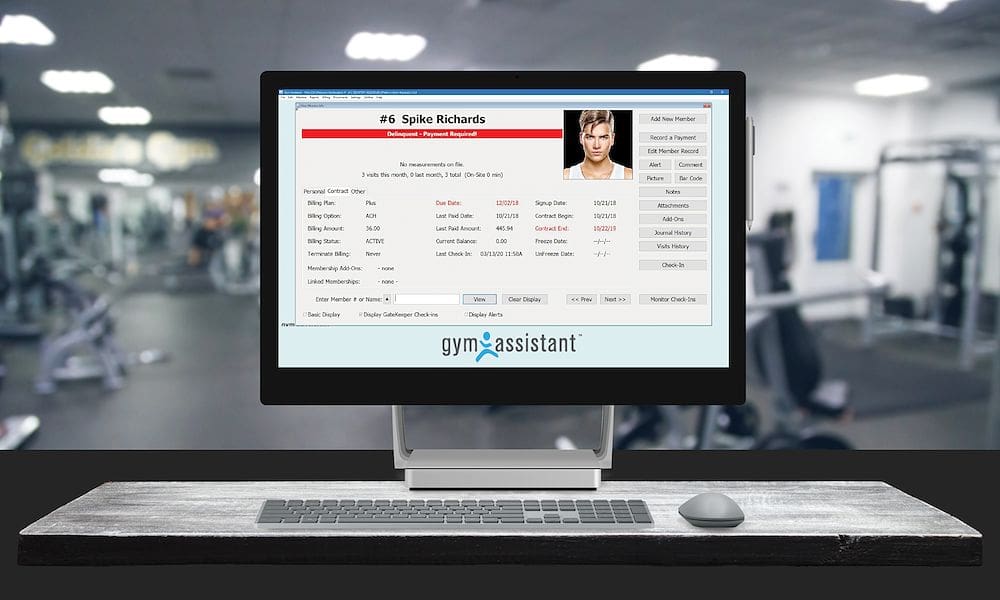
7. Implement Gym Management Software
This is where many new gym owners fall short. Managing memberships, payments, access, and class bookings manually is inefficient and error-prone.
Invest in modern gym management software before you open. A good platform will handle:
Member onboarding and waivers
Recurring billing and payment failures
Class bookings with waitlists and notifications
Trainer scheduling and commission tracking
Keycard or app-based check-in
Automated emails and retention tools
Reporting to track member activity and financials
Using software like Gym Assistant gives you professionalism, automation, and member satisfaction — without having to hire more staff.
8. Hire and Train the Right Team
Even if you’re starting solo, plan ahead for staff as your gym grows. Key roles include:
Certified personal trainers (with CPR/First Aid)
Group class instructors
Front desk or membership staff
Cleaning and maintenance team
Write clear job descriptions and policies. Train all staff on your gym’s values, software tools, and emergency procedures.
9. Market Your Gym Before and After Opening
Build awareness early — ideally 6–8 weeks before your launch. Successful strategies include:
Founding memberships: Discounted rates for the first 100 members
Referral programs: Credit for bringing in friends
Free community events: Open workouts, local business partnerships, fitness challenges
Digital marketing: Facebook/Google ads targeted by ZIP code
SEO & Google Maps listing: So locals find you online
Track leads in your gym software and automate follow-ups with emails or texts.
10. Launch, Track, and Optimize
Soft-launch your gym with beta members or limited hours to test systems and gather feedback. After your full launch, use data to continuously improve:
Track attendance trends
Monitor which classes or trainers retain members best
Identify busy times to adjust staffing
Use surveys to improve service
Smart gym owners are always learning, refining, and growing.

Summary Checklist
✔️ Choose a business structure and register it
✔️ Get a federal EIN and file with the state
✔️ Register prepaid contracts with the DOJ (if applicable)
✔️ Comply with local licenses and zoning
✔️ Secure proper insurance coverage
✔️ Purchase equipment and renovate the space
✔️ Implement gym management software
✔️ Hire certified, reliable staff
✔️ Launch with a solid marketing plan
✔️ Use data to optimize member experience and retention
Useful Resources and Links
New Hampshire Secretary of State Business Registration: quickstart.sos.nh.gov
Apply for EIN: irs.gov
Consumer Protection – Health Club Registration: doj.nh.gov
New Hampshire Employment and Labor Laws: dol.nh.gov
Zoning and Planning Contacts: Check your local town or city planning department
Gym Assistant Software: gymassistant.com
At Gym Assistant we specialise in membership management software that is really easy to use – visit https://vps125217.inmotionhosting.com/ for more!