
How to Open a Gym in South Dakota
Opening a gym in South Dakota is more than just renting space and setting up squat racks — it’s about building a trusted, well-run business that delivers real value to your local community. Whether you’re targeting the suburbs of Sioux Falls or a smaller town with growing fitness interest, this guide lays out everything you need to know to get started—without the fluff.

Step 1: Get Your Business Set Up Legally
Before anything else, register your business officially.
Pick a structure: LLC is ideal for most gym owners (it limits liability and is tax-flexible).
Register with the state: You’ll file with the South Dakota Secretary of State.
Get your EIN: This is your federal tax ID and is required to open a business bank account, pay employees, and file taxes.
Don’t overcomplicate it. The faster you get this done, the sooner you can move on to things that matter—like planning your grand opening.
Step 2: Find a Compliant Location
Not every commercial space is approved for fitness use. Before signing a lease:
Check local zoning laws to confirm gyms are allowed in your chosen building or area.
If you’re modifying the space (building locker rooms, installing equipment), you’ll need building permits.
You’ll also need a certificate of occupancy before opening—this confirms your space is safe and legally cleared to operate.
Don’t assume your landlord has handled all of this—verify it yourself.
Step 3: Sort Out Required Licensing
South Dakota doesn’t have a statewide business license, but your city or county might. Call your local clerk’s office and ask:
Do I need a local business license for a fitness center?
What inspections (fire, plumbing, accessibility) are required before opening?
Also, if you’re offering long-term memberships (3+ months prepaid), you may be required to register your health club and post a surety bond. This protects consumers if your gym unexpectedly shuts down.
Step 4: Get Your Insurance in Order
Gyms deal with risk every day, from equipment misuse to slips in the shower. You’ll want a solid insurance package that includes:
General liability (covers injuries and property damage)
Professional liability (for trainers giving fitness advice or programming)
Workers’ compensation (required if you’re hiring)
Property insurance (for equipment, office contents, signage)
You can bundle most of these through an agent who specializes in health and wellness businesses.

Step 5: Buy Equipment That Fits Your Concept
What you buy depends on your gym’s niche. A barbell-focused gym will need platforms and racks. A studio-style gym might need open floors, mirrors, and sound systems. Essentials to consider:
Cardio: treadmills, bikes, rowers
Strength: dumbbells, barbells, kettlebells, resistance machines
Functional gear: bands, TRX, slam balls, plyo boxes
Flooring: shock-absorbing for lifting zones, non-slip for group classes
Leasing is an option if you want to keep startup costs low. Plan your layout with clear traffic flow in mind—people should move easily between zones.
Step 6: Implement Gym Software from Day One
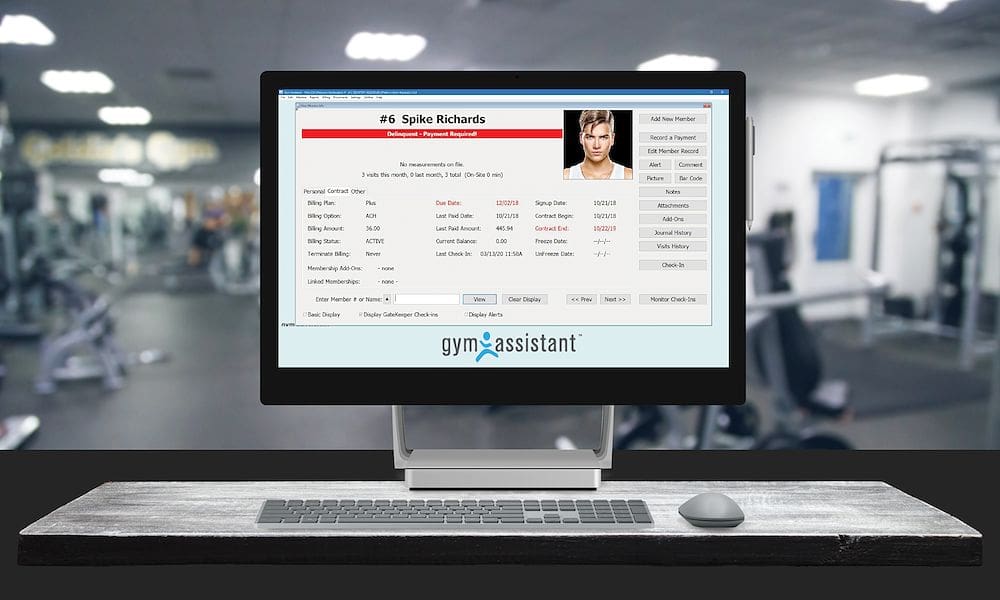
Gym management software isn’t a luxury—it’s your operations hub. It can save you hours a week and keep members happy with fast check-ins and smooth billing.
Good software should handle:
Membership signups and billing
Class scheduling and reservations
Trainer calendars and commissions
Mobile check-in or key fob access
CRM tools (automated follow-ups, birthday emails, trial reminders)
Financial and attendance reporting
This isn’t something to figure out later. Start with the right system so your gym feels professional from day one.
Step 7: Hire a Great Team
Your staff will represent your brand—choose people who are both skilled and personable. Roles you may need:
Front desk/reception
Certified personal trainers
Class instructors (yoga, HIIT, spin, etc.)
Maintenance or cleaning crew
Even if you’re starting solo, build a hiring plan for when growth comes. All staff should be CPR/AED certified and know how to use your gym software.
Step 8: Market Before You Open
Start promoting your gym at least 4–6 weeks before opening. Your goal: build buzz and get early signups.
Launch a simple website with your pricing and services
Run social media ads and post teasers of your facility
Offer founding memberships with lifetime discounts
Partner with local businesses (physical therapists, coffee shops, chiropractors)
Collect emails at every step and automate follow-ups
Create momentum early—then keep it going with referral programs, challenges, and member events.
Step 9: Launch, Learn, Improve
Start with a soft opening—invite friends, influencers, and local press to test your gym before the official launch. Use feedback to improve:
Do people understand how to check in?
Is your class booking system intuitive?
Are locker rooms clean and easy to navigate?
Make small tweaks quickly. The first 90 days are your chance to build a stellar reputation—or lose it.
Government Resources (South Dakota)
Business Registration (Secretary of State): https://sdsos.gov/business-services
Tax Licensing and Sales Tax Info: https://dor.sd.gov/businesses
South Dakota Codified Laws: Zoning and Building Use: https://sdlegislature.gov/Statutes/11-2
Sioux Falls Business Licenses and Permits: https://www.siouxfalls.gov/business-permits/permits-licenses-inspections/licensing
Attorney General – Consumer Protection: https://atg.sd.gov
At Gym Assistant we specialise in membership management software that is really easy to use – visit https://vps125217.inmotionhosting.com/ for more!