
How to Open a Gym in Maine
Maine’s commitment to health and wellness, combined with its close-knit communities, makes it an excellent location to establish a fitness center. Whether you’re considering a boutique studio in Portland or a comprehensive gym in Bangor, understanding the state’s regulatory landscape and leveraging the right tools are crucial for success.

1. Define Your Gym’s Concept and Services
Before diving into the administrative aspects, clarify your gym’s niche:
24/7 Access Gym: Requires robust security and access control systems.
Specialized Studios: Yoga, Pilates, or martial arts studios may need specific equipment and ambiance.
Full-Service Fitness Centers: Offering a range of services from personal training to group classes.
Understanding your target demographic will guide decisions on location, equipment, staffing, and marketing.
2. Register Your Business
Maine does not mandate a general statewide business license; however, local municipalities may have their own requirements. It’s essential to check with your town or city office for specific licensing needs.
Steps:
Choose a Business Structure: LLC, Corporation, Partnership, or Sole Proprietorship.
Register with the Secretary of State: If forming an LLC or Corporation.
Obtain an EIN: Apply for an Employer Identification Number through the IRS for tax purposes.
3. Secure Local Permits and Zoning Approvals
Zoning regulations in Maine are determined at the municipal level. Ensure your chosen location complies with local zoning ordinances for fitness facilities.
Considerations:
Certificate of Occupancy: Required to confirm the building is safe for occupancy.
Building Permits: Needed for any renovations or structural changes.
Health Permits: If offering amenities like saunas, pools, or food services.
4. Comply with Health Club Regulations
If your gym offers prepaid memberships extending beyond three months, Maine law requires:
Annual Registration: With the state’s consumer protection division.
Surety Bond or Letter of Credit: A $25,000 bond to protect members in case of business closure.
5. Obtain Necessary Insurance
Protecting your business and clients is paramount. Consider the following insurance policies:
General Liability Insurance: Covers accidents and injuries on the premises.
Professional Liability Insurance: Protects against claims related to professional services.
Property Insurance: Covers damage to equipment and facilities.
Workers’ Compensation: Mandatory if you have employees.

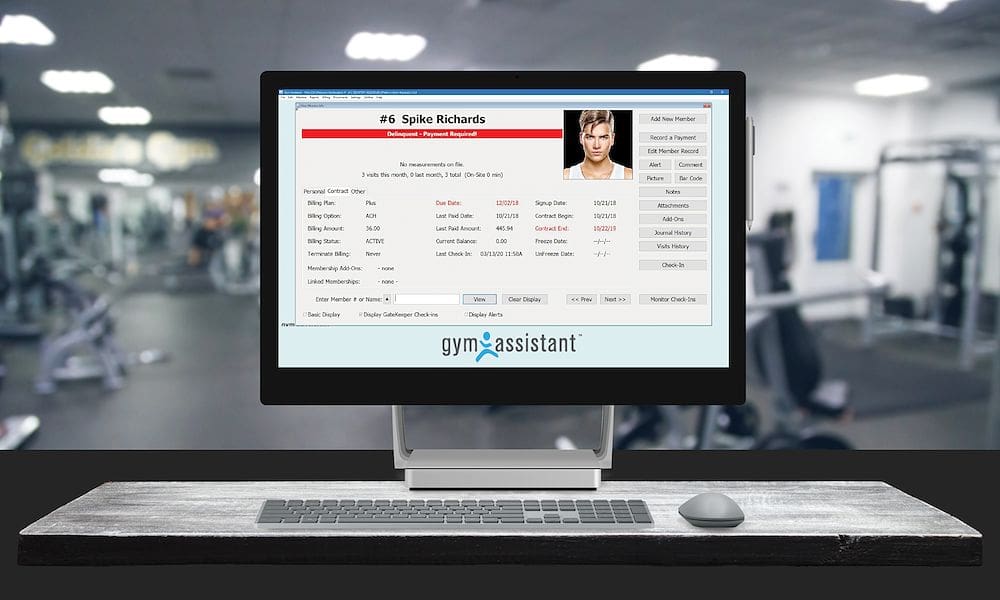
6. Invest in Gym Management Software
Efficient operations are critical for member satisfaction and business growth. Gym management software can streamline:
Membership Management: Automate sign-ups, renewals, and cancellations.
Scheduling: Organize classes, personal training sessions, and staff shifts.
Billing and Payments: Automate invoicing, track payments, and manage accounts receivable.
Access Control: Monitor facility entry and enhance security.
Reporting: Generate insights on member engagement, revenue trends, and operational efficiency.
Implementing robust gym management software early on can save time, reduce administrative tasks, and enhance member experience.
7. Hire Qualified Staff
Assemble a team that reflects your gym’s culture and values. Ensure that all trainers and instructors hold nationally recognized certifications and are trained in first aid and CPR. Provide ongoing training to maintain service quality and staff development.
8. Develop a Marketing Strategy
Attract and retain members through strategic marketing initiatives. Utilize both digital and traditional marketing channels to reach your target audience.
Marketing Tactics:
Digital Presence: Develop a user-friendly website and engage on social media platforms.
Local Advertising: Utilize flyers, local newspapers, and community events.
Referral Programs: Encourage existing members to bring in friends and family.
Promotions: Offer limited-time discounts or free trial periods to entice new members.
Leverage your gym management software’s CRM features to track leads and automate follow-ups.
9. Launch and Continuously Improve
Plan a grand opening event to generate buzz and attract initial members. Gather feedback regularly and use insights to refine your services, classes, and overall member experience.
Useful Resources and Links
Maine Business Licensing: maine.gov
Office of Professional and Occupational Regulation: maine.gov
Maine Department of Health and Human Services Licensing: maine.gov
Zoning and Land Use Regulations: maine.gov
Health Club Surety Bond Information: The Surety Group
At Gym Assistant we specialise in membership management software that is really easy to use – visit https://vps125217.inmotionhosting.com/ for more!