
How to Open a Gym in Tennessee
The fitness industry in Tennessee is booming. With a rising interest in health and wellness across the state, from the vibrant city streets of Nashville to the scenic neighborhoods of Knoxville, entrepreneurs are finding growing opportunities to open gyms that meet local needs.
However, success in this business is about more than lifting weights—it’s about smart planning, legal compliance, community building, and leveraging the right tools. Whether you’re planning a boutique fitness studio, a 24/7 neighborhood gym, or a full-service athletic center, here’s a deep dive into how to get your gym off the ground in Tennessee—and why modern gym software should be part of your foundation.

1. Market Research: Identify Demand and Define Your Niche
Before you lease a space or buy equipment, study your local market. Ask yourself:
Who is your ideal customer? (e.g., young professionals, seniors, students)
What gyms already exist in your area?
What’s missing? (e.g., 24/7 access, group training, recovery services)
Look at demographic trends using tools like:
U.S. Census Bureau data (https://data.census.gov)
ESRI community profile reports
Local chambers of commerce
Tennessee trends to note:
Young populations in Nashville and Chattanooga are driving demand for HIIT, CrossFit, and hybrid gym/studio spaces.
In smaller towns, low-cost, self-service gyms with minimal staff and digital check-in are gaining popularity.
The post-COVID interest in wellness includes not just fitness, but recovery, mental health, and holistic offerings.
2. Choose Your Legal Business Structure
Forming a legal entity protects your personal assets and establishes credibility. Common structures:
LLC (Limited Liability Company) – The most popular for gym owners due to ease of management and liability protection.
S Corporation – Ideal for owners planning to pay themselves a salary and reduce self-employment taxes.
Sole Proprietorship – Fastest to set up, but offers no liability protection.
Register your business online at the Tennessee Secretary of State’s website.
You’ll also need to:
Apply for an EIN from the IRS
Open a separate business bank account
Set up accounting software or hire a CPA

3. Secure Local Business Licenses and Permits
Requirements vary by city or county. Generally, you will need:
A County/City Business License (from your local government office)
A Sales Tax Certificate from the Tennessee Department of Revenue
Fire inspection and possibly building code clearance
Health inspection (if you serve food or drinks)
If you’re offering personal training or massage therapy, ensure your professionals are licensed accordingly.
4. Select a Location with Strategic Advantages
When scouting locations, consider:
Zoning laws: Ensure fitness centers are permitted on the premises.
Visibility and parking: Choose high-traffic areas with ample, safe parking.
Size: The average gym ranges from 2,500–10,000 sq ft depending on your concept.
Accessibility: ADA compliance is essential.
Negotiate lease terms carefully—factor in renovations, HVAC upgrades, noise mitigation, and exclusivity clauses (to prevent competitors from leasing nearby).
5. Develop a Strong Business Plan
Lenders and investors expect a business plan that includes:
Executive summary and mission
Market analysis
Marketing and sales strategy
Revenue and expense forecasts
Staffing model
Equipment and technology needs
Risk assessment
Consider using free templates from the SBA or Score.org.
6. Design Your Gym’s Layout
Your layout should balance form and function:
Entrance/Reception: Welcome area with clear branding and member check-in.
Training zones: Divide for cardio, weights, classes, and mobility/recovery.
Locker rooms: Ensure cleanliness, ventilation, and secure lockers.
Storage and staff rooms: Allow space for equipment, cleaning, and team operations.
Hire an architect or interior designer with gym experience to optimize space, flow, and safety.
7. Source and Finance Your Equipment
Invest in durable, commercial-grade equipment. Key categories include:
Cardio: Treadmills, ellipticals, rowers, bikes
Strength: Racks, barbells, machines, dumbbells, resistance gear
Recovery: Foam rollers, mats, stretch zones
Financing options:
Equipment leasing (preserves cash flow)
SBA microloans
Vendor-specific financing programs
Vendors to consider: Life Fitness, Rogue, Matrix, Precor
8. Implement Gym Management Software Early
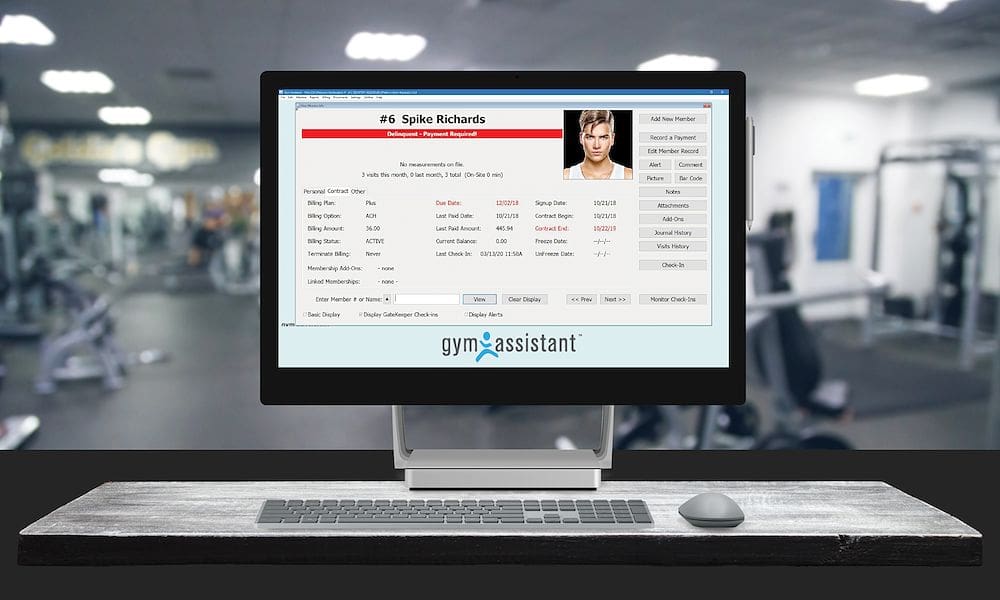
Gym software isn’t just a back-office convenience—it’s central to how you serve members and scale your business. Look for software that handles:
Membership & Billing
Automatic recurring payments
Member sign-ups and waivers
Drop-in fees and class packs
Access Control
Key card or mobile app entry (especially for 24/7 gyms)
Guest tracking and sign-in verification
Scheduling & Booking
Class calendars
Personal training sessions
Waitlists and notifications
CRM & Communication
Email/text automations for new leads, expiring memberships, or re-engagement
Lead tracking and sales funnel management
Reporting & Analytics
Retention metrics
Revenue breakdowns
Staff performance and class attendance
Why it matters in Tennessee:
Whether you’re opening in a busy metro like Nashville or a smaller town like Cleveland, gym software allows you to compete with national franchises by offering a polished, tech-enabled experience.
Recommended: Gym Assistant – ideal for independent gym owners who want intuitive, powerful, and cost-effective software.
9. Build a Skilled, Personable Team
Roles to fill:
Front desk staff (member services)
Personal trainers (certified with liability insurance)
Group fitness instructors
Maintenance/cleaning staff
If offering childcare or nutritional counseling, ensure all appropriate licenses and background checks are in place.
Onboarding should include training in:
Member engagement
Software use
Emergency protocols
Cleaning standards
10. Market Your Gym Before Opening
Start promotions 30–60 days before your official launch.
Marketing Tactics:
Google Business Profile setup
Facebook/Instagram ads targeting local ZIP codes
Referral incentives and buddy passes
Flyers at schools, salons, cafes, apartment complexes
Partnerships with physical therapists, massage clinics, and local sports teams
Use your software to capture leads and automate follow-ups. Offer online sign-up and free trial classes to remove friction.
11. Protect Your Business with Insurance
Work with a commercial insurance broker to cover:
General liability
Property (equipment, furnishings, signage)
Workers’ comp
Professional liability (for trainers)
Cyber insurance (especially if using software with member data)
12. Stay Compliant and Continually Improve
Track renewal dates for business licenses and insurance. Use gym software to monitor member retention, revenue per square foot, and class popularity. Regularly survey members and solicit feedback.
Keep improving: update equipment, rotate class offerings, and evolve with industry trends like hybrid models (online + in-person) or wellness services.
Opening a gym in Tennessee can be financially rewarding and personally fulfilling. But running a fitness business is a full-contact sport—you need systems, support, and tools that help you deliver a five-star experience consistently.
Gym management software is not optional—it’s your gym’s central nervous system. It enables you to automate operations, engage members, and compete at a high level, even in crowded markets.
Start smart, build strong, and grow with purpose. Tennessee’s fitness scene is waiting for your unique stamp.
At Gym Assistant we specialise in membership management software that is really easy to use – visit https://vps125217.inmotionhosting.com/ for more!